East Palo Alto Home Additions: Reliable Room Addition Services
Transform Your Home: Inspiring Concepts for Beautiful Home Additions
Upgrading a home through thoughtful additions can meaningfully elevate both its utility and curb appeal. From bright sunrooms designed to welcome sunlight to generous outdoor decks suited for social events, the choices are varied. Enlarging essential spaces, such as kitchens, encourages togetherness, while a garage addition can address storage challenges. Understanding essential design elements and effective planning is vital. Yet, what genuinely motivates homeowners to pursue these improvements? The answer resides in the life-changing potential of professionally crafted home additions.
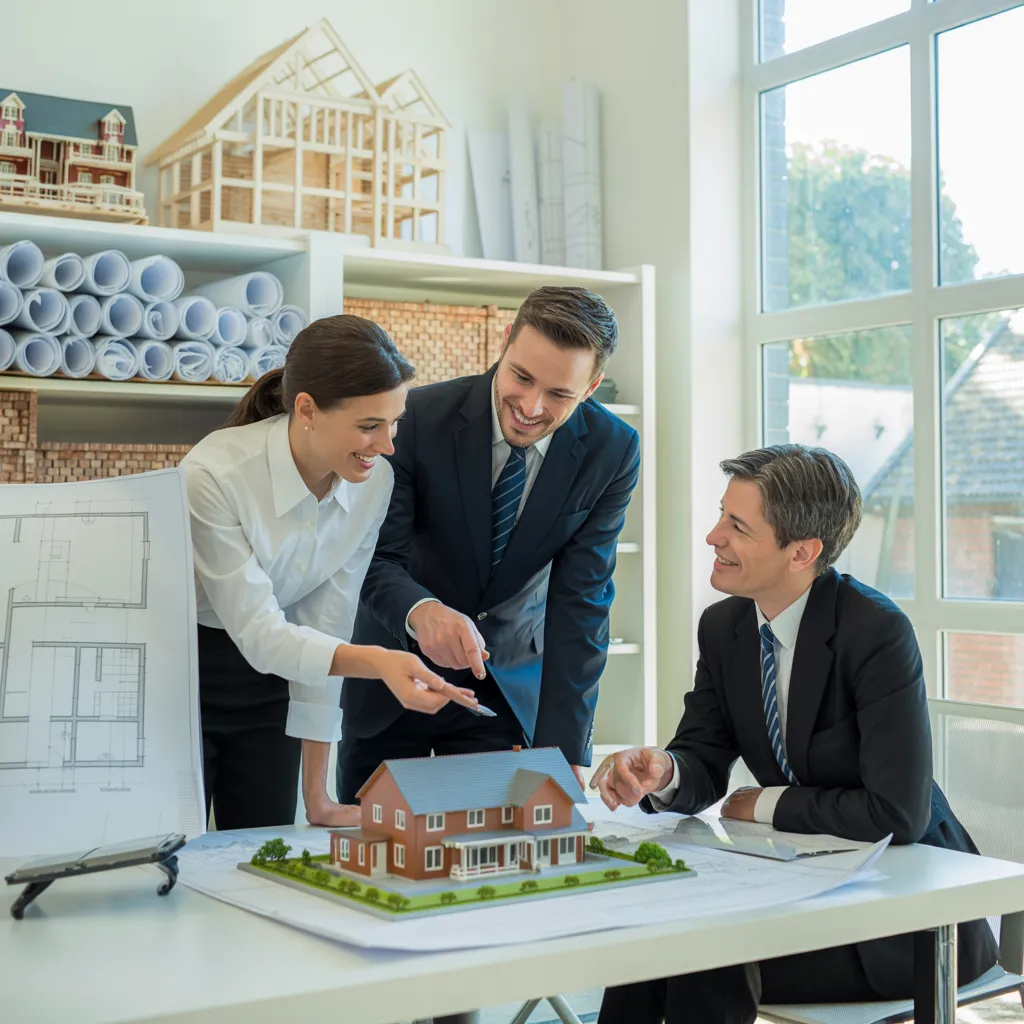
Discover Top Home Addition Ideas to Elevate Your Space
Homeowners often seek innovative ways to enhance their living environments, and examining well-known home expansion options can deliver meaningful changes. One widely favored option is the addition of a sunroom, which brings natural light indoors while creating a serene space for relaxation. Another appealing choice is a deck or patio, extending the living area outdoors and perfect for entertaining.
Homeowners can also explore expanding their kitchens, rendering them more practical and welcoming. Adding a garage not only offers extra storage but may also be used as a workshop or hobby space.
For homeowners requiring extra sleeping spaces, a bedroom extension can provide much-needed privacy and comfort. Additionally, converting attics or basements into livable spaces presents an opportunity for creative design while maximizing existing square footage. Every one of these approaches holds the promise of boosting both usability and aesthetic charm, ultimately converting a home into a more comfortable and enjoyable space.
Why Home Additions Can Boost Your Lifestyle?
Home additions can considerably expand living space, offering families the opportunity to grow and adapt. Moreover, adding to a home can result in greater property value, making it a sound investment. In addition, these additions often foster deeper family connections by establishing communal spaces for activities and gatherings.
Transform Living Space
Enlarging a living space through home expansions can significantly transform one's lifestyle by delivering greater functionality and comfort. For growing families, extra rooms can address evolving needs, such as a children's playroom or a dedicated home office. A thoughtfully designed addition can create a natural transition between outdoor and indoor spaces, fostering relaxation and social interaction. Moreover, integrating elements like open floor plans or large windows cultivates a sense of spaciousness and natural connection. Upgraded home spaces also allow for personalized design choices, expressing unique tastes and styles. Ultimately, residential additions not only optimize existing areas but also establish surroundings that support well-being and enrich daily life.
Enhance Property Value
Investing in home additions can greatly elevate a property's overall value, making it a smart investment choice. By expanding square footage or adding functional spaces, sellers can appeal to interested purchasers and increase resale prices. Features such as additional bedrooms, updated kitchens, or flexible living spaces frequently generate impressive investment returns. Additionally, enhancements like sunrooms or decks not only improve aesthetics but also cater to modern lifestyle preferences, ultimately enhancing marketability. A carefully designed expansion can turn a residence into a more desirable asset, aligning with present market demands and purchaser expectations. Overall, purposeful residential additions represent an effective strategy for optimizing real estate worth while elevating the quality of life for present homeowners.
Nurture Family Ties
A carefully crafted addition can greatly strengthen family connections by establishing spaces that encourage interaction and unity. Open-plan designs, such as family rooms or large kitchens, function as hubs for communal activities, fostering communication and connection. Dedicated areas for hobbies or playrooms provide children a place to interact, while adults can benefit from nearby social spaces. Moreover, including outdoor living spaces, like patios or decks, allows families to come together in a welcoming environment. These additions not only promote everyday interactions but also create a backdrop for memorable gatherings and celebrations. Ultimately, well-planned home additions convert living environments into enriching spaces that strengthen family ties, elevating overall quality of life.
Essential Design Elements to Enhance Your Home Addition
When homeowners consider a home addition, integrating essential design elements can greatly enhance both aesthetics and functionality. Essential features encompass natural light, which can be attained with large windows or skylights, producing a warm and welcoming environment. Furthermore, an open floor plan fosters effortless movement between existing and new areas, establishing an atmosphere of harmony.
Integrating coordinating materials and tones assures the addition complements the existing framework, sustaining structural cohesion. Careful positioning of furniture and installations elevates usability, making the space practical for everyday life. Outdoor connections, including a patio or deck, may expand living spaces and promote outdoor activities. Finally, energy-efficient designs, utilizing effective insulation and responsible materials, contribute to long-term savings and environmental responsibility. By prioritizing these key design components, homeowners can create a cohesive and beautiful addition that enhances their living experience.
Plan Your Home Addition Project with Success
Proper planning is essential for a successful home addition project. Homeowners should begin by establishing their objectives, whether it's expanding their living area, improving usability, or elevating the property's worth. Creating a solid vision assists in directing the planning and building process. Additionally, investigating local building codes and zoning regulations is necessary to secure conformity and sidestep potential obstacles.
Developing a plan that maps out each step of the process helps with preserving clarity and responsibility. Residents should also consider engaging experts, including contractors or architects, for professional insight and to optimize the project.
Moreover, emphasizing collaborative communication among all parties builds a collaborative environment and handles concerns promptly. Lastly, planning ahead for upcoming demands can support the development of an addition built to serve evolving needs. By adhering to these guidelines, homeowners can approach their home addition endeavors with increased certainty and focus.
Financial Planning for Your Home Addition: Must-Know Tips
Creating a budget for a home addition demands thorough planning and careful thought to avoid unexpected expenses. Homeowners should begin by determining a practical budget that encompasses all aspects of the project, such as permits, building materials, labor costs, and contingency expenses. It is recommended to set aside an additional 10-20% of the total budget for contingencies.
Gathering and evaluating quotes from multiple contractors may yield important knowledge and support better decision-making. Moreover, property owners should weigh their necessities against their preferences, making certain that critical elements are covered without exceeding financial limits.
Creating a comprehensive timeline can assist in coordinating expenditures with construction stages, alleviating monetary pressure. Finally, consulting with a financial expert or a building expert can shed more light on potential costs and financing options, ensuring that the budget remains manageable throughout the home expansion project. This thoughtful strategy contributes to a effective and economically viable home expansion.
Real-Life Home Addition Transformations to Inspire You
Inspiring home extension makeovers showcase the remarkable possibilities of home interiors. A perfect illustration is a modest cottage-style residence that was subject to a remarkable upgrade with a sophisticated, contemporary annex. By including a expansive culinary and dining zone, the homeowners enhanced their culinary lifestyle while crafting a inviting gathering space for family members and visitors.
One notable transformation showcases a small residence that extended skyward with a delightful loft, maximizing space while introducing a cozy reading nook. This smart architectural choice not only increased usability but also infused character into the home.
At last, a traditional ranch house welcomed a sleek design with a glass-enclosed sunroom, filling the interior with an abundance of natural light and revealing spectacular sights of the backyard garden.
These real-world transformations showcase the diverse possibilities for home additions, encouraging homeowners to imagine their own distinctive upgrades and transform their living spaces.
Commonly Asked Questions
What Permits Are Necessary for a Home Addition Project?
When undertaking a home addition project, one typically needs the appropriate building permit, approval from the zoning board, and in some cases electrical or plumbing permits. Municipal regulations differ, so checking with your read more municipal office is crucial to guarantee compliance with all requirements.
How Much Time Does a Standard Home Addition Usually Take?
An average home addition usually takes anywhere from two to six months to complete, depending on factors such as permits, size, complexity, and weather conditions. Thorough planning and an efficient contractor can greatly affect the overall timeline.
Can I Live in My Home During the Addition Process?
In most cases, homeowners can typically reside in their homes during the home addition process. However, considerations like the scale of the project, location, and noise disruptions may affect accessibility and comfort, prompting temporary adjustments or accommodations during construction.
What Are the Most Common Mistakes to Avoid When Planning an Addition
Typical pitfalls to steer clear of during addition planning include misjudging the overall budget, ignoring necessary building permits, overlooking structural integrity, neglecting to evaluate future demands, and failing to seek expert guidance. Diligent preparation leads to more efficient execution and improved results.
What Is the Best Way to Choose the Right Contractor for My Project?
To choose the right professional, it is important to research qualifications, examine testimonials, and establish open communication. Comparing multiple bids and examining past projects can aid in establishing reliability and compatibility for the particular residential expansion project.